Twice a year, we adjust our clocks to accommodate daylight saving time (DST). While the extra hour of sunlight is welcomed, the time change can disrupt our routines, energy levels, and physical activity. In this article, we’ll explore tips to help you stay active and maintain your fitness momentum despite the clock change.
The Challenges of Time Change
The time change can affect our bodies in various ways:
- Circadian rhythm disruption
- Sleep deprivation
- Reduced energy levels
- Increased laziness
These challenges can make it difficult to maintain an active lifestyle. However, with a few simple adjustments, you can overcome these obstacles and stay on track.
10 Tips to Stay Active During the Time Change
- Gradual Adjustment: Start adjusting your sleep schedule a few days before the time change to minimize disruption.
- Stick to Routine: Maintain your regular exercise schedule, even if it feels harder.
- Find Indoor Activities: Engage in indoor exercises like yoga, Pilates, or bodyweight workouts when outdoor activities are challenging.
- Schedule Morning Workouts: Take advantage of the earlier sunrise by exercising in the morning.
- Stay Hydrated: Drink plenty of water to combat fatigue and maintain energy.
- Get Some Morning Sunlight: Exposure to natural light helps regulate your circadian rhythms.
- Avoid Screen Time Before Bed: Promote better sleep by limiting screen time before bedtime.
- Incorporate High-Intensity Interval Training (HIIT): Boost energy with efficient, high-intensity workouts.
- Find a Workout Buddy: Stay motivated with a fitness partner.
- Reward Yourself: Celebrate small victories with non-food rewards, like a relaxing bath or a good book.
Additional Strategies
- Prioritize sleep (7-9 hours for adults)
- Eat a balanced diet rich in fruits, vegetables, whole grains, and lean proteins
- Limit caffeine and sugary snacks
- Engage in stress-reducing activities, such as meditation or deep breathing
The time change doesn’t have to derail your fitness journey. By incorporating these tips into your daily routine, you’ll stay active, energized, and motivated. Remember, consistency is key. Stay committed, and you’ll emerge stronger and healthier on the other side of the time change.
Cardiovascular exercise, or cardio, has long been touted as a crucial component of a healthy lifestyle. We’ve all heard the recommendations: aim for at least 150 minutes of moderate-intensity aerobic exercise per week, or 75 minutes of vigorous-intensity aerobic exercise per week. But is this really the magic number for optimal health? In this blog, we’ll delve into the world of cardio and explore just how much we truly need to stay healthy.
The Benefits of Cardio
Before we dive into the details, let’s quickly review the benefits of regular cardio exercise:
- Improves heart health
- Increases lung function
- Boosts mood and reduces stress
- Enhances sleep quality
- Supports weight management
- Increases energy levels
The Recommended Amount
The American Heart Association recommends at least 150 minutes of moderate-intensity aerobic exercise per week. This can be broken down into:
- 30 minutes per day, 5 days per week
- 45 minutes per day, 3 days per week
- 75 minutes per week of vigorous-intensity aerobic exercise
However, is this one-size-fits-all approach really effective?
Individual Needs
The truth is, our individual needs vary greatly. Factors such as age, fitness level, health status, and lifestyle influence our cardio requirements. For example:
- Older adults may benefit from shorter, more frequent sessions
- Athletes or those with high physical demands may require more intense and frequent cardio
- Those with certain health conditions, such as heart disease, may need to limit their cardio intensity and frequency
The Myth of “More is Better”
While some may believe that more cardio is always better, this isn’t necessarily the case. Overdoing it can lead to:
- Burnout and decreased motivation
- Increased risk of injury
- Overtraining syndrome (OTS)
- Negative impact on immune function
Finding Your Sweet Spot
So, how much cardio do we truly need? The answer lies in finding your individual sweet spot. Consider the following:
- Start with small, achievable goals (20-30 minutes per session, 2-3 times per week)
- Gradually increase duration and frequency as fitness level improves
- Listen to your body and rest when needed
- Incorporate variety in your cardio routine (e.g., running, cycling, swimming, HIIT)
While cardio is undoubtedly an essential component of a healthy lifestyle, the one-size-fits-all approach doesn’t always apply. By understanding our individual needs and finding our unique sweet spot, we can harness the benefits of cardio without overdoing it. Remember, consistency and balance are key. So, get moving, but don’t forget to listen to your body and make adjustments as needed.
Burnout is a state of emotional, mental, and physical exhaustion that can creep up on anyone, regardless of their profession or personal life. It’s a signal that something needs to change, and ignoring it can lead to severe consequences. In this blog, we’ll explore the signs of burnout, its causes, and most importantly, provide practical strategies for recovery and renewal.
Signs of Burnout
- Chronic fatigue and exhaustion
- Loss of motivation and purpose
- Increased irritability and mood swings
- Reduced productivity and performance
- Physical symptoms like headaches and insomnia
Causes of Burnout
- Excessive workload and long hours
- Lack of control and autonomy
- Poor work-life balance
- Unclear expectations and conflicting priorities
- Unfair treatment and lack of support
Strategies for Recovery and Renewal
- Recognize and Accept: Acknowledge your burnout and accept it as a signal for change.
- Take a Break: Give yourself permission to rest and recharge.
- Prioritize Self-Care: Engage in activities that nourish your mind, body, and soul.
- Set Boundaries: Learn to say “no” and establish clear limits.
- Seek Support: Connect with loved ones, colleagues, or a therapist.
- Re-Evaluate Priorities: Assess your values and goals, and make adjustments.
- Practice Time Management: Learn effective techniques to manage your workload.
- Cultivate Mindfulness: Embrace mindfulness practices to reduce stress.
- Seek Professional Help: If needed, consult a mental health professional.
Conclusion
Burnout is a common experience that can happen to anyone. By recognizing the signs, understanding the causes, and implementing these strategies, you can break free from burnout and rediscover your energy, motivation, and purpose. Remember, taking care of yourself is not a luxury, it’s a necessity. Take the first step towards recovery and renewal today.
As a fitness enthusiast and walking expert, I’m thrilled to share my insights on how to elevate your walking game. Walking is an excellent way to improve cardiovascular health, boost mood, and increase energy levels, and with a few simple tweaks, you can take your walks to the next level.
First and foremost, let’s talk about the benefits of walking in nature. Ditching the treadmill and getting outside can have a significant impact on both your physical and mental well-being. Research has shown that walking in nature can reduce stress levels, improve mood, and even boost creativity. So, find a local park or trail and get outside to reap the rewards of walking in nature.
Next up, let’s talk about intensity. If you’re looking to burn more calories and amp up your workout, consider incorporating interval training into your walks. Alternate between brisk walking and leisurely strolls to keep your body guessing and boost your calorie burn. You can also add strength training elements to your walks by wearing a weighted vest or carrying hand weights. This will not only increase the intensity of your workout but also help build strength and endurance.
Another crucial aspect of walking is form. Maintaining good posture, engaging your core, and landing midfoot can reduce the risk of injury and improve efficiency. Make sure to keep your head up, shoulders relaxed, and engage your core muscles to support your spine. Also, focus on landing midfoot instead of heel striking, which can reduce the impact on your joints.
Mixing up your route is also essential to keep your walks interesting and prevent plateaus. Explore new neighborhoods or trails to keep your mind engaged and prevent boredom. You can also incorporate hills or stairs to increase the intensity of your workout and build strength.
Finally, let’s talk about gear. While you don’t need much to get started with walking, having the right gear can make a significant difference. Look for comfortable and supportive shoes that provide adequate cushioning and arch support. Consider investing in a weighted vest or hand weights to increase the intensity of your workout. And don’t forget to stay hydrated by bringing water and snacks along on your walks.
In conclusion, walking is an excellent way to improve your physical and mental health, and with a few simple tips and tricks, you can take your walks to the next level. So why not lace up your shoes, get outside, and start walking your way to better health and fitness?
When it comes to weight loss, the conversation often revolves around calories. How many should you consume? How many should you burn? The answers to these questions are crucial for achieving and maintaining a healthy weight. In this blog post, we’ll delve into the world of calories, exploring what they are, how they impact weight loss, and practical tips for managing your caloric intake.
What are Calories?
Calories are units of energy that measure the potential energy stored in food and drinks. Your body uses calories to perform various functions, such as breathing, moving, and maintaining bodily functions. The number of calories you need depends on factors like age, gender, weight, height, and activity level.
The Calorie Balance
Weight loss boils down to a simple concept: calorie balance. To lose weight, you need to create a calorie deficit by consuming fewer calories than your body burns. Conversely, a calorie surplus leads to weight gain. The key is finding the sweet spot where you’re burning more calories than you’re consuming.
Daily Caloric Needs
Your daily caloric needs depend on your individual factors. A safe and sustainable rate of weight loss is 1-2 pounds per week, achieved by creating a daily calorie deficit of 500-1000 calories. Here are the estimated daily caloric needs for adults:
- Sedentary (little or no exercise): 1,600-2,000 calories
- Lightly active (light exercise/sports 1-3 days/week): 1,800-2,200 calories
- Moderately active (moderate exercise/sports 3-5 days/week): 2,000-2,400 calories
- Very active (hard exercise/sports 6-7 days a week): 2,400-2,800 calories
- Extremely active (very hard exercise/sports & physical job or 2x training): 3,000-3,500 calories
Practical Tips for Weight Loss
- Eat nutrient-dense foods: Focus on whole foods like fruits, vegetables, lean proteins, and whole grains.
- Keep track of your calorie intake: Use a food diary or app to monitor your daily calorie consumption.
- Portion control: Pay attention to serving sizes and control your portions.
- Incorporate physical activity: Aim for at least 150 minutes of moderate-intensity exercise or 75 minutes of vigorous-intensity exercise per week.
- Stay hydrated: Drink plenty of water throughout the day.
Calories play a vital role in weight loss. By understanding your daily caloric needs and creating a calorie deficit, you can achieve a healthy weight. Remember, weight loss is not just about numbers; it’s about adopting a sustainable lifestyle that prioritizes nutrient-dense foods and regular physical activity. Take control of your calorie balance and embark on a journey towards a healthier, happier you.
As summer approaches, many people set a goal to get in shape for the warmer months. However, focusing solely on short-term results can lead to a cycle of yo-yo dieting and exercise patterns that ultimately fail to produce long-term success. Here are some reasons why just getting in shape for summer doesn’t work long term:
- Lack of sustainability: Crash diets and extreme exercise routines are often unsustainable and can’t be maintained in the long run.
- Neglects overall health: The sole focus on aesthetics neglects the importance of overall health and wellness.
- No long-term motivation: Once the summer ends, the motivation to maintain a healthy lifestyle often fades.
- Cycle of weight gain and loss: Yo-yo dieting and exercise patterns can lead to a cycle of weight gain and loss, which can be detrimental to overall health.
- Increased risk of injury: Extreme exercise routines can lead to burnout and injury.
- Disordered eating habits: Crash diets can lead to disordered eating habits and an unhealthy relationship with food.
- No focus on habits: Just getting in shape for summer focuses on short-term results, not the development of healthy habits.
- No focus on mental health: The emphasis on physical appearance neglects the importance of mental health and well-being.
To achieve long-term fitness success, it’s important to focus on making healthy lifestyle changes that can be maintained year-round. This means:
- Setting realistic goals
- Finding enjoyable physical activities
- Cultivating healthy eating habits
- Prioritizing overall health and wellness
- Focusing on developing healthy habits
- Prioritizing mental health and well-being
By shifting the focus from short-term aesthetic goals to long-term health and wellness, we can create a sustainable and healthy lifestyle that extends far beyond the summer months.
Fitness goals require more than just simply picking a plan and going for it. To achieve the most success, focus on wellness habits you can start through a series of gradual increments. Trying to start a new habit or achieve a fitness goal with life-altering changes can lead to failure, frustration, injury or dropout.
Step 1: Creating Your Fitness Goal
In order to establish a general goal, determine the one thing — your limiting factor — that keeps you from achieving that goal. Do you want to get in better shape, lose weight or eat healthier? Remember, only action leads to change! “Don’t do X” is not an action plan. “Do more Y” is.
Now, take those general action statements and shape them into a fitness goal you can reach this year. Effective goals are SMART, or:
- Specific: The goal should identify a specific action or event that will take place.
- Measurable: The goal and its benefits should be quantifiable.
- Achievable: The goal should be attainable given available resources.
- Realistic: The goal should require you to stretch some but still make success likely.
- Time-based: The goal should state the time period in which it will be accomplished.
Write down your fitness goal in a spot where you will see it regularly. Research shows that people who take a few minutes to put their goals on paper are five to 10 times more likely to achieve them. So pull out a pen, paper and your sneakers and get started!
Step 2: Put Your Fitness Plan Into Action
With your long-term goal in mind, start looking at what you can do to now to make it happen.
Once you an identify what you need to work on and the skills you need to successfully achieve your long-term goal, break them down into realistic, smaller behavior-based goals. These will help hold you accountable and responsible for the changes you’ll make in your life.
Your short-term goals are like a domino effect. Each new habit should set off a positive chain reaction toward your long-term goal. Once you have been consistent for 14 to 21 days, pick another short-term goal. The goal is to practice simple, strategic actions that build up over time.
The New Year is a wonderful time to set some new goals. These goals should be SMART and attainable over time. No need to stress about a NEW YOU! Focus on goals first!
As the days grow shorter and colder, many people struggle with the winter blues. Even though autumn and winter are filled with beauty and inspiration, they also can be challenging – especially for those who thrive in the sunnier seasons. The seasons have a notable impact on most of us, even if we don’t always realize it. Each season has its highs and lows, and each one is filled with valuable life lessons, but some seasons can be more difficult than others. If you find your mental health suffers in autumn and winter, here are some tips you might try to help make these seasons more enjoyable.
1. Venture outdoors
The lack of light and shorter days can make it tough to go outside, but if you’re feeling down, making the effort to spend time in the fresh air can really help. Even just a quick walk around the block can improve your mood.
2. Seek sunlight
Pull up the blinds! Open the curtains! The lack of sunlight is one of the reasons for feeling down during darker seasons, so the more sunshine you can allow into your home, the better. Going outside isn’t always an option, but take advantage of sunny days indoors by allowing the light in.
While I’ve personally never tried a light box, it’s on my wish list for this upcoming season because it seems like light boxes help a great deal for those with seasonal depression (or less serious cases of the winter blues). Apparently there are many different types (as well as something called a “dawn simulator” that’s used to wake you up in the morning) so be sure to do your research and figure out which one would be best for you.
3. Make some art
I know art isn’t everyone’s thing, but if you’re feeling down, give it a try. It doesn’t have to be traditional art either – try writing, pottery, drawing, painting, or sewing. Anything creative that allows you to get in a flow for a bit can help improve your mental state.
4. Practice yoga
Though I’m not particularly good at yoga (I generally do it only once a week), making even a little bit of time practice always makes me feel better, especially on extra gloomy days. If yoga isn’t your thing, any type of movement or exercise will be beneficial.
5. Make plans and stay connected
When I’m feeling down, the last thing I want to do is be around people. But I’ve discovered that it’s often what my mind needs when I’m feeling down. I don’t enjoy going out in the cold, but indoor activities can work, too (as long as you take proper precautions). If you can’t be physically with someone else, a quick phone call or video chat can also help when you’re battling the blues.
There are many options to explore if you’re struggling during the darker days, but hopefully some of these suggestions will help. If you find yourself suffering a great deal, it’s always good to seek out professional help (whether in the form of therapy or from your doctor). And if you’re struggling now, know that you’re not alone; it’s perfectly normal to experience down days during periods of change. Keep in mind that, even when it doesn’t seem like it, the difficult darkness will pass. Seasons always change, and the way you feel will change, too.
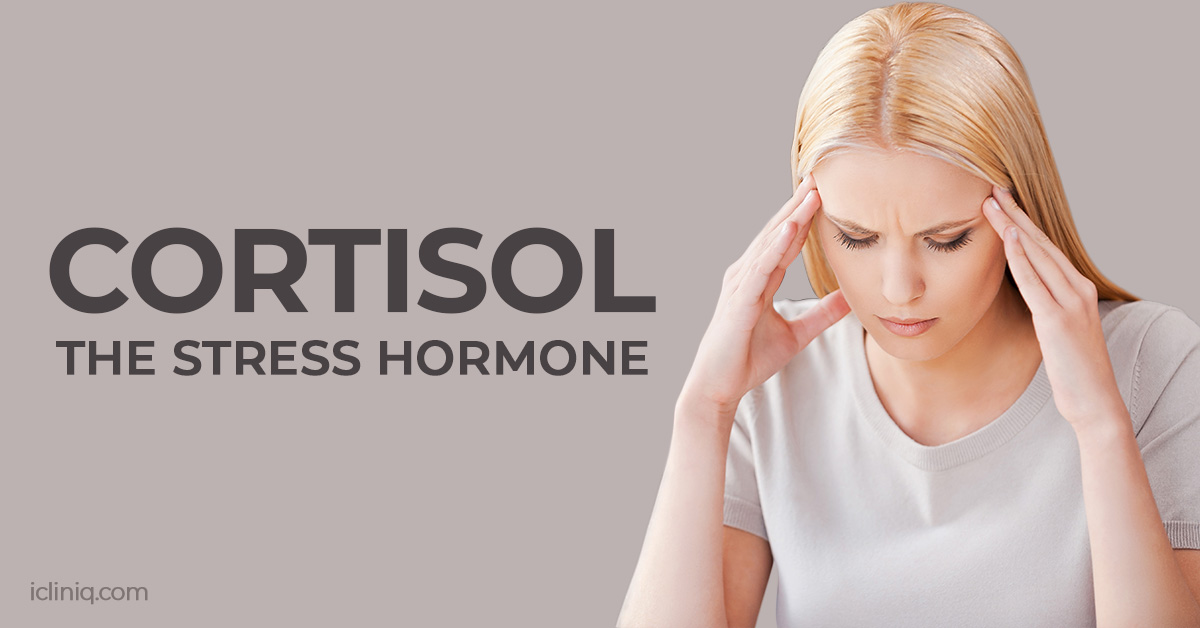
In today’s fast-paced world, it’s no surprise with the amount of stress present in so many lives. Persistent stress triggers the amount of cortisol released into our body. Cortisol is responsible for the fight-or-flight response, but chronic levels can take a toll on our health and well-being. There are many natural practical ways to lower cortisol and restore balance to our bodies for a more stabilized life!
Understanding Cortisol:
Cortisol is a stress hormone produced by the adrenal glands in response to stress signals in the brain. This hormone is known as the “flight-or-fight” hormone, which is involved in releasing energy stores, increasing heart rate and redirecting blood flow. If cortisol is constantly elevated, it can wreak havoc on the body.
What is the Impact of High Cortisol?
Over time, prolonged exposure to high cortisol levels can lead to very serious health issues. Elevated levels have been linked to hypertension, which placed strain on the cardiovascular system and increases the risk of heart attack and stroke. It can also contribute to insulin resistance, which can ultimately lead to type 2 diabetes.
Cortisol helps us wake up in the morning, but chronic stress can disrupt this pattern. This can lead to irregular sleep schedules or problems falling asleep. By implementing strategies to lower cortisol levels, you can positively impact your physical and mental health.
Tip 1: Prioritizing Sleep
Quality sleep plays a significant role in cortisol regulation. Establishing a consistent sleep routine, creating a comfortable sleep environment, and limiting screen time can all improve sleep quality. Get into a pre-sleep relaxing routine such as taking a warm bath, listening to a meditation, or reading.
Tip 2: Stress Management Techniques
Activities such as meditation, stretching and deep breathing can alleviate stress and enhance a calm state. All of these practices signal to the body that it is ok to relax, which will reduce cortisol production.
Tip 3: Regular Exercise
Engaging in regular physical activity will naturally reduce cortisol levels. Exercise will decrease stress, but also enhance mood. The best way to maintain levels are to switch the type of exercises you do. Perhaps one or two days you can do barre or Pilates, while the other few days are cardio with weights. Keep in mind that doing a lot of H.I.I.T. may increase cortisol levels in our bodies.
Tip 4: Incorporating Mindfulness Practices
Mindfulness techniques such as yoga can have a positive impact on cortisol levels. This encourages present moment practice, which will reduce the body’s stress. Another practice is mindfulness meditation, which involves focusing on the breath and observing thoughts without judgement.
Tip 5: Nutrition Strategies
A balanced and nutritious diet can contribute to cortisol control. Focus on fruits, vegetables, lean proteins , and whole grains. Incorporating Omega-3 fatty acids, which are found In fish and chia seeds, an also have anti-inflammatory effects on the body reducing cortisol levels.
Cortisol management is a holistic endeavor that encompasses physical, mental and emotional health. By prioritizing sleep, stress management, nutrition and exercise, you will be so much better suited to handle cortisol levels and lead a much more balanced life.
Is it ok to have drinks in moderation and also be a fitness fan? Surprise…the answer is YES! Researchers have found a link between people with high fitness levels and those who enjoy a refreshing alcoholic beverage.
When choosing a low calorie alcoholic drink, skip those mixed with simple sugar. Aim for vodka seltzers and/or tequila and lime. If you are trying to lose weight, decreasing the amount of calories consumed from alcohol can be extremely effective. Alcohol can be consumed in moderation with a balanced diet.
So what are the 5 drinks with the least amount of calories? Here they are:
- Vodka Seltzer- This is a classic drink made by combining vodka with unflavored seltzer or club soda. There is only about 133 calories in a 7.5 oz serving! Need more flavor? Try garnishing with cucumber or mint OR add a little lemon/lime juice. Alternatively, a flavored seltzer and/or sparkling water may just do the trick!
- White Wine-White wine generally has less calories than red. Typically, it contains about 123 calories in a 5 oz serving. There are so many varieties to try including chardonnay, sauvignon blanc, pinot grigio, and riesling. Bored of plain wine? Add some fresh fruit or mix in some sparkling water/seltzer to make a spritzer.
- Tequila with Lime- This is one of the easiest cocktails to make and the lowest in calories! A shot of tequila with a lime wedge has only about 99 calories. Is drinking tequila straight not for you? Try mixing in some club soda or mint for a low-calorie cocktail.
- Dry martini-A classic dry martini consists of gin and vermouth and is usually topped with olives. There is typically 2.5 oz. of gin and 0.5 oz of vermouth. This packs a low 185 calories! Want to decrease the olive calories? Opt for some orange bitters or a lemon wedge.
- Paloma-A paloma is made with tequila, lime juice, grapefruit juice, and club soda. Some recipes call for extra sugar, but you can decrease the sugar content by skipping this or using a natural sweetener instead. Here is one I LOVE with the link below :

There are multiple ways you can decrease the calorie content of your favorite alcoholic beverages. One way is to make your own drinks instead of using premade mixers, which tend to have high sugar and chemical contents. Instead of using sugar or syrup, opt for fresh herbs or the simple syrup pictured above. Try using more ice, sparkling water/seltzer and LESS soda or juice.
Regardless of whether you are trying to lose weight, alcohol should only be enjoyed in moderation as part of a healthy well-rounded diet.
DISCLOSURE: This post contains affiliate links. This means, at no extra cost to you, we make a small commission if you purchase a product through these links. As an amazon associate I earn from qualifying purchases. This helps to support CGM Fitness. Thank you!